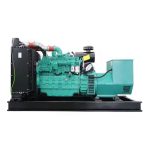
The Power of Diesel Generators for Remote Control A Comprehensive Guide
Introduction In today's modern world, remote control operations have become increasingly prevalent across various industries. From monitoring and controlling machinery in remote locations to providing power to off-grid sites, the need for reliable and efficient power sources is more critical than ever. Diesel generators have emerged as a popular and versatile solution for meeting the power demands of remote control systems. In this comprehensive guide, we will explore the various aspects of diesel generator s, their advantages, applications, maintenance requirements, and best practices for ensuring optimal performance in remote control settings. Understanding Diesel Generators Diesel generators are a type of power generation equipment that uses a diesel engine to convert diesel fuel into electricity. They are known for their robustness, durability, and high efficiency, making them ideal for a wide range of applications, including remote control operations. Diesel generators come in various sizes, ranging from portable units that can power small equipment to large industrial generators capable of providing backup power to entire facilities. Advantages of Diesel Generators for Remote Control 1. Reliability: Diesel generators are known for their reliability and durability, making them well-suited for remote control applications where consistent power supply is essential. Unlike other types of generators, diesel generators can operate continuously for extended periods without overheating or experiencing performance degradation. 2. Fuel Efficiency: Diesel engines are more fuel-efficient compared to gasoline engines, which means that diesel generators can provide a higher power output for the same amount of fuel. This fuel efficiency is particularly beneficial in remote locations where refueling may be challenging or costly. 3. Longevity: Diesel generators are designed to withstand harsh operating conditions and have a longer lifespan compared to other types of generators. This longevity is a significant advantage in remote control settings where access to maintenance and repair services may be limited. 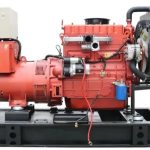 4. Power Output: Diesel generators are capable of producing high power output, making them suitable for powering a wide range of equipment and machinery in remote locations. Whether it's running communication systems, monitoring equipment, or industrial machinery, diesel generators can meet the power demands of various remote control applications. Applications of Diesel Generators in Remote Control 1. Telecommunications: Diesel generators are commonly used to provide backup power to cell towers, base stations, and other critical infrastructure in remote areas. In the event of a power outage or grid failure, diesel generators can ensure uninterrupted communication services, allowing for reliable remote control and monitoring operations. 2. Oil and Gas Industry: The oil and gas industry often operates in remote and harsh environments where access to the grid may be limited. Diesel generators are used to power drilling rigs, pumping stations, and other equipment essential for remote control operations in the industry. 3. Mining Operations: Mining sites are often located in remote areas with limited access to power infrastructure. Diesel generators play a crucial role in providing power to mining equipment, lighting systems, and communication networks, enabling efficient remote control of mining operations. 4. Military Applications: The military uses diesel generators for a wide range of remote control applications, including powering communication systems, radar installations, and field operations. Diesel generators are valued for their reliability and ability to operate in extreme conditions, making them an indispensable power source for military operations. Maintenance Requirements for Diesel Generators in Remote Control Settings Proper maintenance is essential to ensure the reliable performance of diesel generators in remote control settings. Here are some key maintenance requirements to consider: 1. Regular Inspections: Conduct regular visual inspections of the generator, including checking for leaks, loose connections, and signs of wear. Inspecting the fuel system, cooling system, and electrical components can help identify potential issues before they escalate. 2. Fluid Checks: Monitor the levels of fuel, oil, and coolant regularly and top up as needed. Maintaining https://www.lkpowerplant.com/diesel-generator-basics-what-you-need-to-know/ is crucial for the efficient operation of the generator and can help prevent overheating and other performance issues. 3. Filter Replacements: Replace the fuel, oil, and air filters at recommended intervals to ensure optimal performance and protect the engine from contaminants. Dirty filters can reduce fuel efficiency and cause premature wear on engine components. 4. Load Testing: Periodically conduct load tests on the generator to verify its capacity and performance under varying loads. Load testing helps identify any issues with the generator's output and can help prevent overloading or underutilization of the equipment. 5. Emergency Preparedness: Develop and maintain an emergency response plan that includes procedures for troubleshooting common generator issues, contacting service providers, and ensuring the safety of personnel in remote locations. Having a well-defined plan in place can help minimize downtime and ensure quick resolution of generator problems. Best Practices for Diesel Generators in Remote Control Operations 1. Remote Monitoring: Implement remote monitoring systems that allow real-time monitoring of the generator's performance, fuel levels, and maintenance needs from a centralized location. Remote monitoring can help detect issues early, optimize fuel consumption, and streamline maintenance activities in remote control settings. 2. Fuel Management: Develop a fuel management strategy that includes regular fuel quality checks, fuel rotation, and contingency plans for fuel delivery in remote locations. Proper fuel management is critical for ensuring the uninterrupted operation of diesel generators in remote control applications. 3. Training and Certification: Provide training to personnel responsible for operating and maintaining diesel generators in remote locations. Ensure that operators are familiar with safety procedures, troubleshooting techniques, and best practices for optimizing generator performance in remote control settings. 4. portable diesel generator : Consider the environmental impact of diesel generator operations in remote locations and implement measures to minimize emissions and noise pollution. Use eco-friendly fuel additives, soundproofing enclosures, and exhaust systems to reduce the generator's environmental footprint. Conclusion Diesel generators are a versatile and reliable power source for remote control operations across various industries. Their robustness, fuel efficiency, and high power output make them well-suited for providing electricity to off-grid sites and remote locations where access to the grid is limited. By following proper maintenance practices, implementing remote monitoring systems, and adhering to best practices for diesel generator operations, organizations can ensure the seamless performance of their remote control systems and maintain operational efficiency in challenging environments. Diesel generators will continue to play a vital role in powering remote control operations and enabling connectivity in the increasingly interconnected world of today and the future.